
10 ways to reduce my household waste
We all get that time each week when it's time to put the bins out. How many bags are we going to have this week? Is it black bins this week? Have I sorted my recycling properly? I don't know about you, but I used to put out the rubbish and just look at the massive quantity of waste we're producing. I have over the years managed to find some ways to help reduce the waste, but it has not been easy. Everything that you seem to buy in the supermarket is wrapped in tons of un-necessary plastic. Things like oranges and bananas, which come "designed" with their own packaging, really don't need another layer of plastic to stop them from perishing! Anyway, I thought I would put together a list of the top 10 things that I believe will help you reduce your waste:
# 1 - Reduce the amount you buy
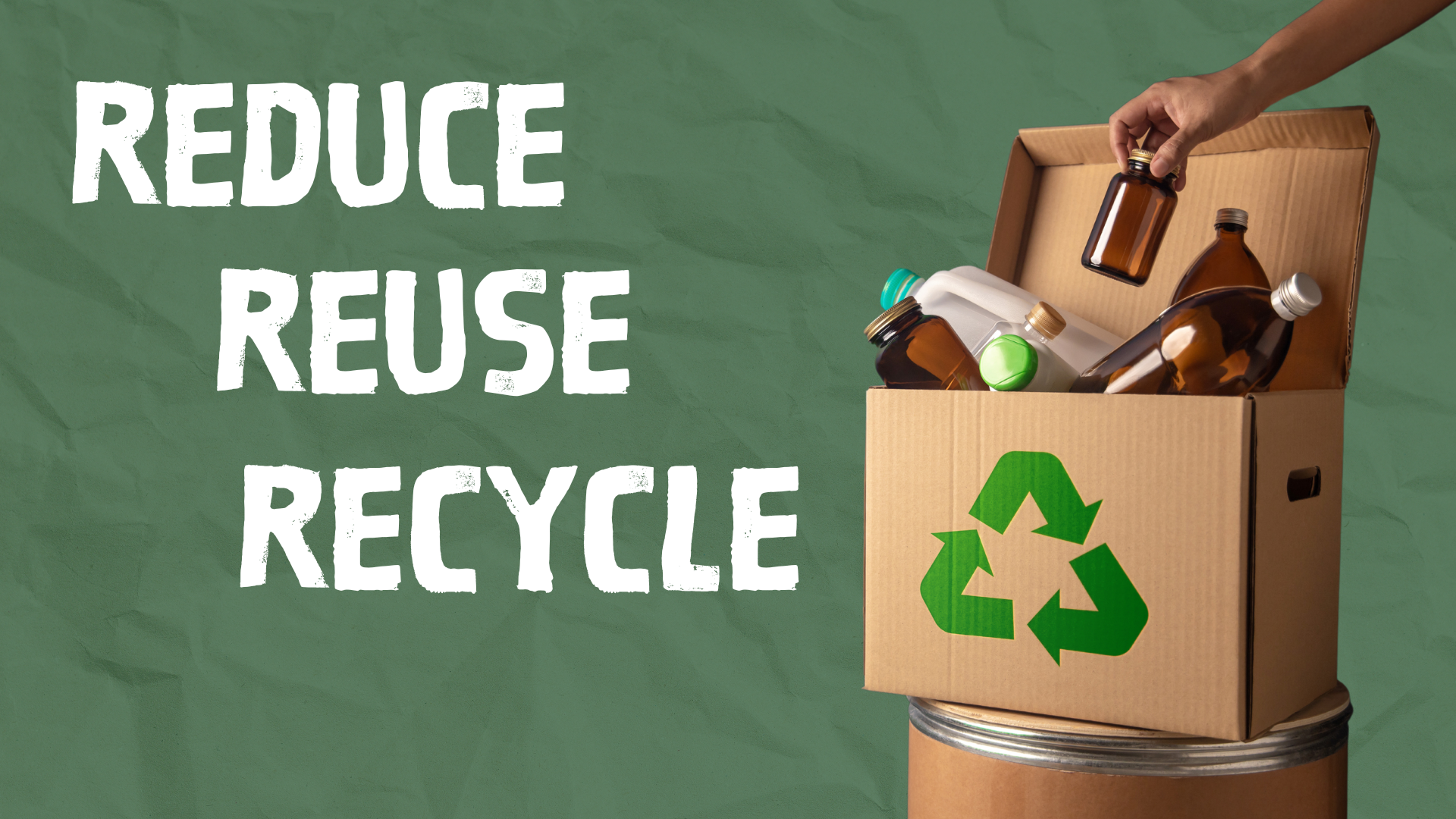
It might sound obvious but as the snip above suggests, the top way is to reduce. Most of our waste comes from food related purchases. I find that particularly with food, we plan our meals, and so we only buy what we are intending to use. It stops us from having stuff that sits in the fridge for a week and going off, then ultimately ending up in the compost.
# 2 - Use less water
Reduce water usage by fixing leaks, taking shorter showers, using water-efficient appliances, and turning off the tap when not in use. I think that most of us are guilty of using too much water. Leaving the tap on when we're brushing our teeth, leaving the hot water tap on when doing the washing up, instead of filling up the washing bowl.
We take our clean water for granted, and it actually takes a huge amount of ebergy to clean the crystal clear water we get through our taps, which (for the most part) is just as good as the stuff we buy in a bottle from the supermarket. Just think next time you're running the tap.....Do I need to be doing this?
#3 - Switch to reusable items
Replace single-use plastics like water bottles, straws, and bags with reusable alternatives. Use cloth bags, glass containers, metal straws, and reusable coffee cups. If you have a look at my Household page, you will find a couple of products that will activelyhelp you to do this.
I particularly like the Splosh products for genertal household items like kitchen and bathroom cleaners, shower gels, washing up liquid amongst others. I've had my shower gel bottle for about 5 years, so think about how many bottles of shower gel you would get through in 5 years!
Another great product is Fussy deodorant. Again, I've had the container for about 3 years. They send me refills in paper / compostable containers, which use a fraction of the packaging of standard bottles!
#4 - Buy in Bulk
Purchasing products in bulk reduces the need for excessive packaging. It also helps you buy only what you need and often saves money in the long run. Obviously it helps if you have the space to store large quantities of products and it wouldn't always work with perishable food items, but things like toilet rolls, tinned food items, larger bottles of things like squash or washing detergents (unless you're already using re-useables!)
#5 - Reduce paper waste
Choose digital options when possible to avoid printing. Switch to cloth napkins, reusable towels, and use both sides of paper before recycling it. Also, most bills can be switched to digital only now. Infact some of my service providers have set that as a default now, and you have to actually subscribe to have paper copies sent to you!
#6 - Repair instead of replacing
Fix broken items such as clothes, appliances, or furniture instead of discarding them. This can extend the lifespan of products and reduce the demand for new ones. There are some great websites that will help you in your quest to repair. That favourite jumper of yours, that you just managed to put a hole in? Check out Sojo.uk and clothes-doctor.com to see if they can fix it and save having to bin and replace!
#7 - Purchase Eco-Friendly Products
Opt for products made from sustainable materials, like bamboo, glass, and recycled content. Choose cleaning products that come in refillable containers or use DIY natural cleaners. You only have to enter some key words into Youtube, and it will show you how to clean you glass with old newspapers!
#8 - Recycle properly
Familiarize yourself with your local recycling guidelines and make sure you're sorting your recyclables correctly. This helps keep recyclable materials out of the landfill. Most local authority websites will have guidance on this and unfortunately they all seems ot have different guidelines on what you can and can't recycle. Most local authorites will not take soft plastics for example (crisp packets etc), but a lot of our supermarkets have started to take this on and you can drop a bag of soft plastics in a recycle bin at the supermarket entrance
#9 - Use energy efficient appliances
Invest in appliances that are energy-efficient and designed to last longer. This reduces both energy consumption and the frequency of appliance disposal. Unfortunately you may have to pay slightly more for these, but it will pay off in the longer run. Additionally, from 2021, in the UK at least, manufacturers are legally obliged to make spare parts for products available to customers - A new legal right for repairs - this ensures that most things can now be fixed in the unfortunate event that they go wrong, as part of the governments initiative to reduce waste!
#10 - Donate or Sell Unused Items
Regularly go through your possessions and donate or sell items you no longer need. This prevents unwanted goods from ending up in landfills and gives them a second life. There are a couple of ways that you can do this, and I find a great sense of achievement when I've managed to unclutter the garage or shed that's had the old kids bikes in there for 10 years. Local charity shops, Facebook marketplace, ebay and Vinted are many ways you can do this and earn a bit of cash at the same time!